
A trusted supplier of the Finnish Defence Forces strengthening Finland’s security of supply
The Finnish Defence Forces have been a major customer for Savotta since the 1960s. Supporting Finland’s independence and national security of supply has been written into the family company’s values. Proper equipment ensures that soldiers remain operational even in the toughest conditions.
It all began with bread bags, backpacks, and laundry sacks. Over the decades, Savotta’s gear has become something of a cult classic in army circles — familiar to hundreds of thousands of conscripts across Finland and proven through countless field exercises.
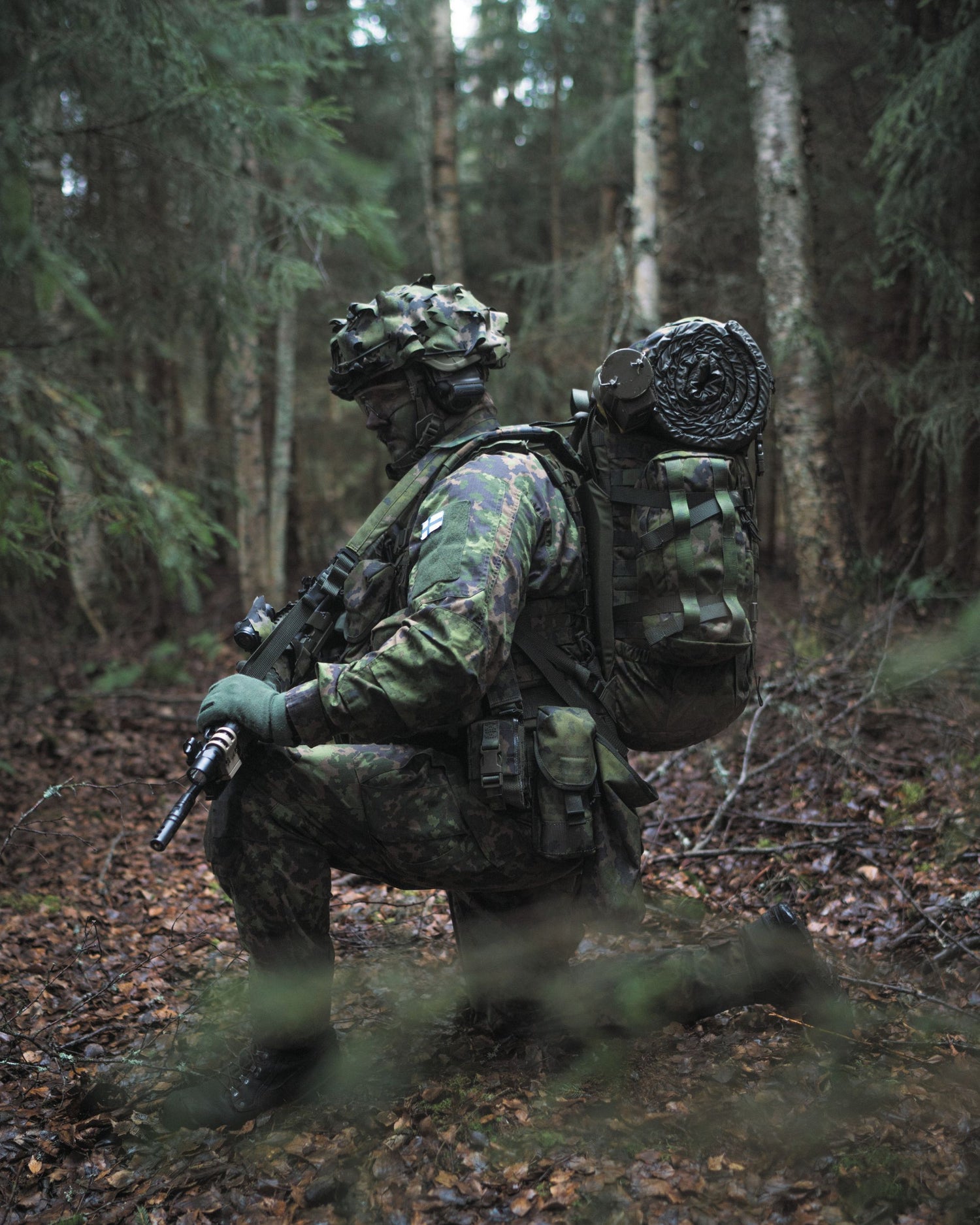
Since the 1960s, Savotta’s carrying and shelter systems have fitted perfectly into the Finnish Defence Forces’ way of fighting — like an identification tag around a soldier’s neck. When operating deep in the wilderness, you need to trust your equipment 100 %.
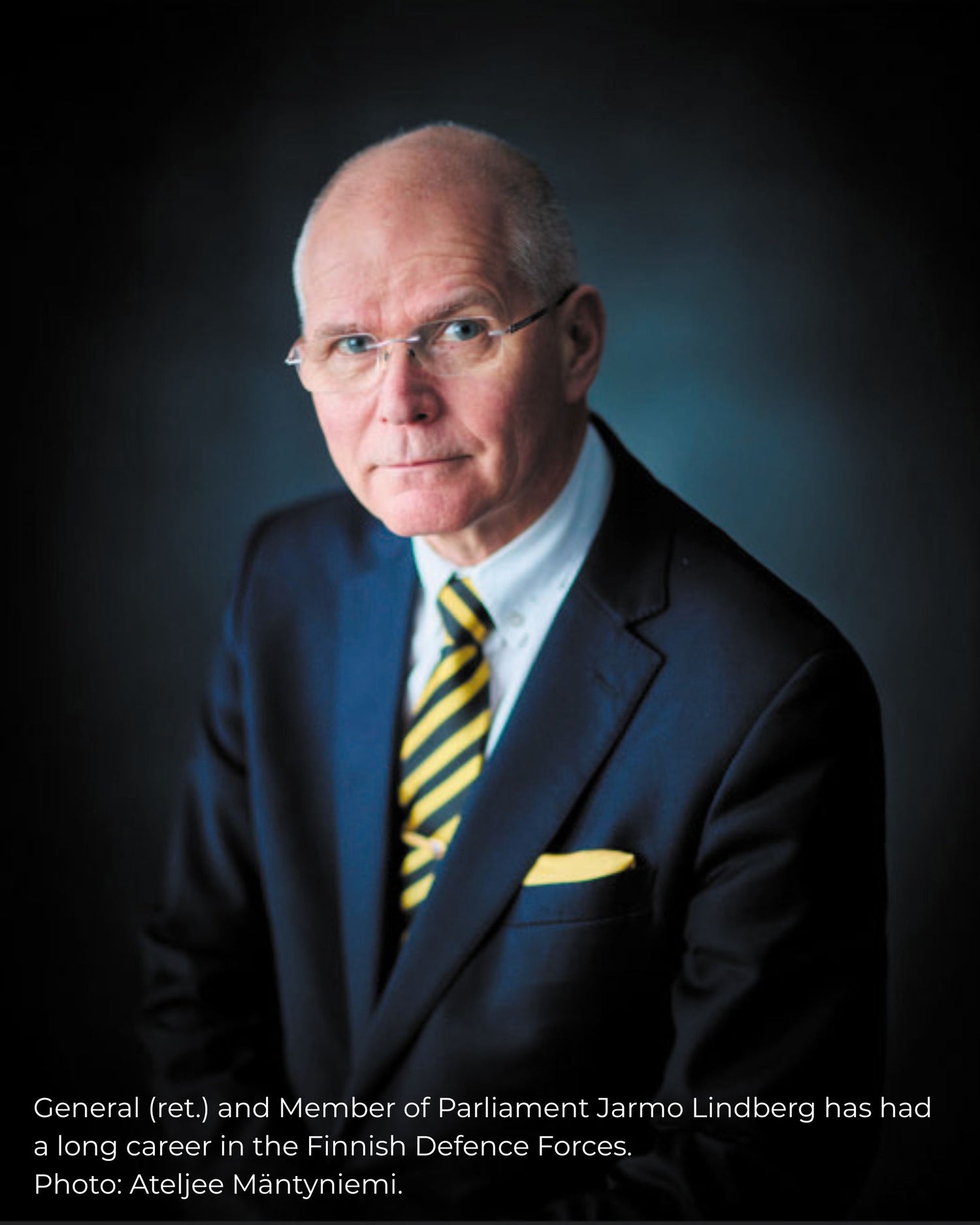
“Especially the patrol and half-platoon tents reflect the Finnish Army’s style of warfare. If mobilization occurs, troops disperse into the forests. The 1950s generation of loggers or “Savotta men” learned to live in the woods. Savotta has always met this need with its products,” says General (ret.) Jarmo Lindberg.
Lindberg served over 40 years in the Finnish Defence Forces in various positions, most of them in the Air Force. He was Commander of the Finnish Defence Forces from 2014 to 2019. If anyone knows Savotta gear, it’s him. He now serves as a Member of Parliament for the National Coalition Party.
“In the Army especially, equipment volumes are enormous. That’s why it’s vital that they have a long life cycle. Otherwise, maintenance becomes too expensive. Savotta’s principle — ‘Let's make these to endure’ — serves the Defence Forces perfectly,” Lindberg says, adding: “Savotta products are not disposable items — they remain functional for decades.”
Savotta’s Chairman of the Board, Uljas Valkeinen, reminds us that the company makes products designed to reduce the hardship soldiers experience. Usability is everything, regardless of branch or unit. “A soldier on the front line faces extremely tough conditions, so we make sure the gear we produce works flawlessly in real life situations. It provides as humane conditions as possible: shelter, warmth, and rest.”
The Finnish Defence Forces’ demanding standards drive Savotta’s product development
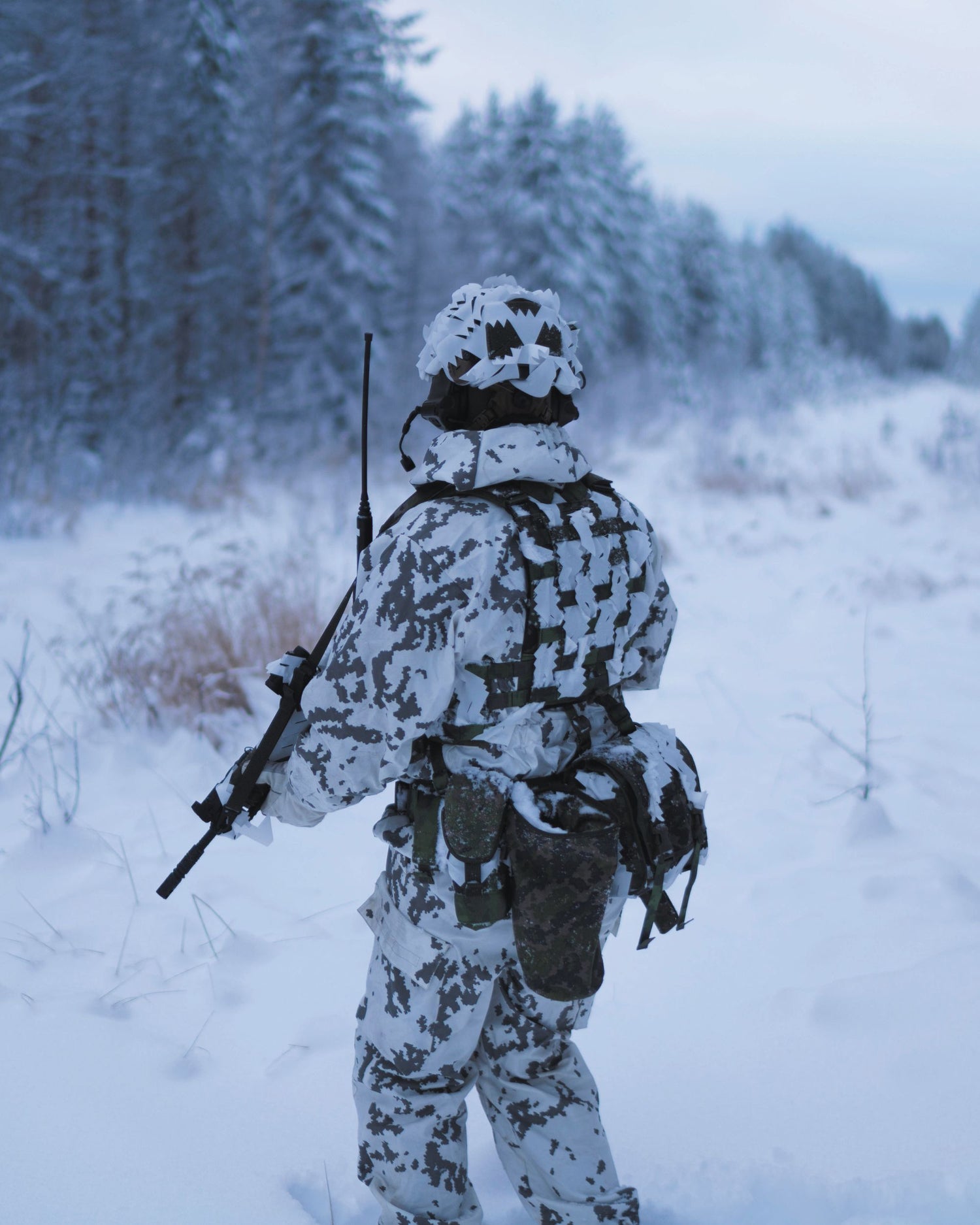
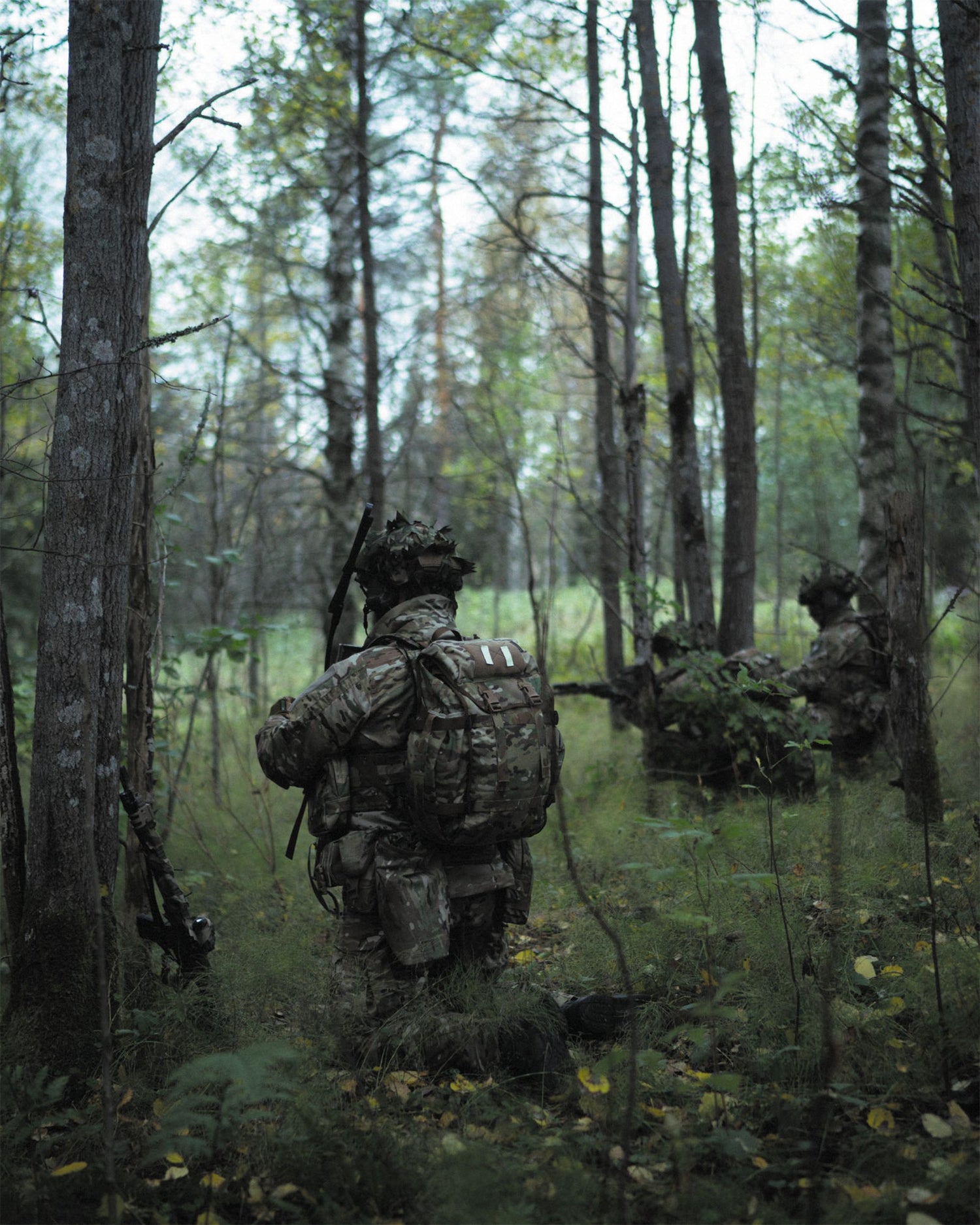
The Defence Forces never stand still — they move forward with the times. As combat doctrines evolve, so must the equipment. Today’s soldier must be equipped for versatile combat both day and night, so individual pieces of gear have evolved into modular equipment systems.
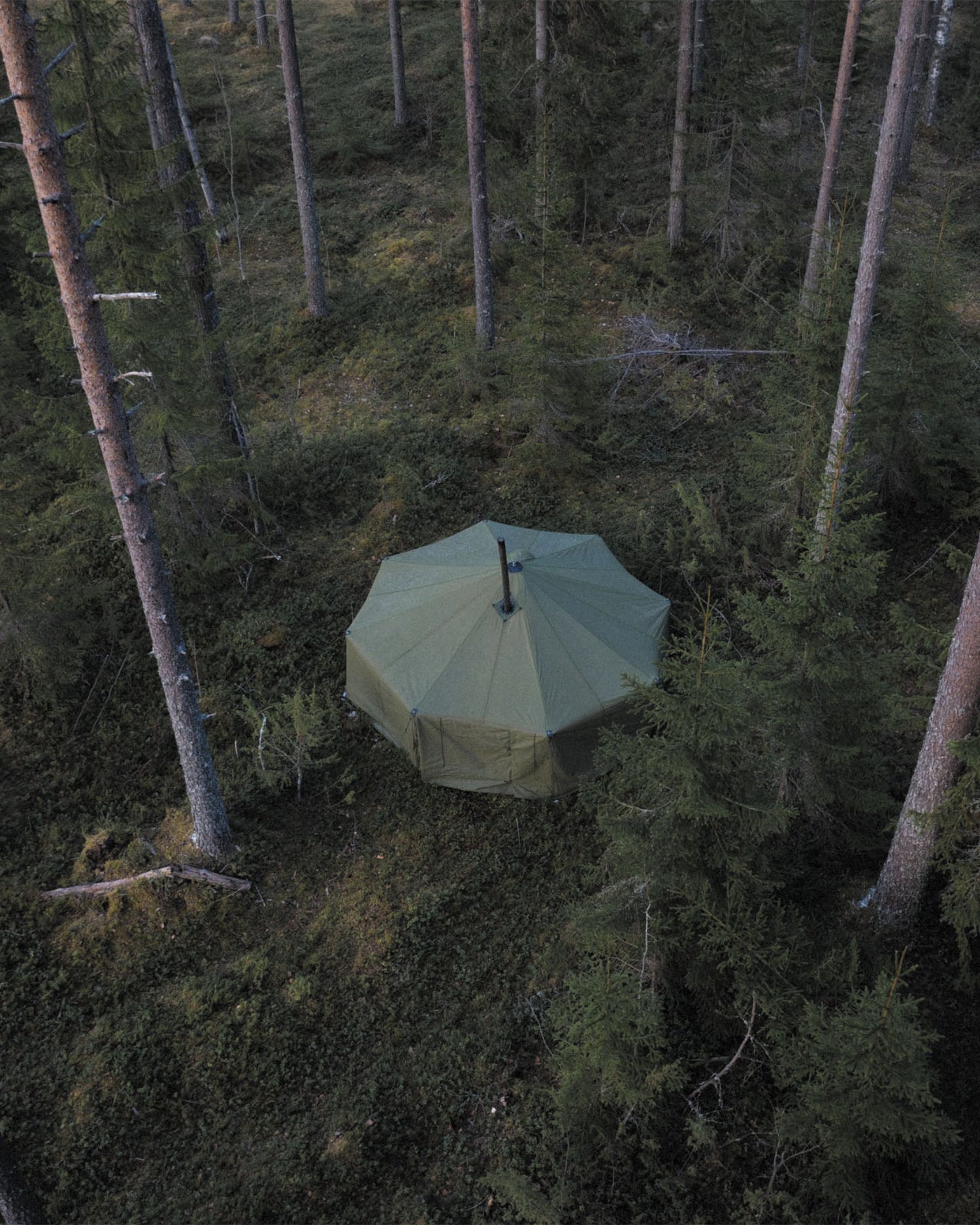
Modern Savotta products are far more advanced and complex than those of previous decades. The materials are flame- and frost-resistant, waterproof, and resistant to mold. Thanks to infrared shielding, the tent fabric is invisible to night vision devices.
“The Defence Forces have been a long-term and demanding customer that has pushed us to evolve. We’ve worked hard to meet their challenges and requirements. Developing our ISO quality system is one example of this,” notes Uljas Valkeinen.
So how are products for demanding military use designed? Former Chief of Defence Logistics Jarmo Lindberg emphasizes that operational planning within the Finnish Defence Forces is threat-based. Their capability requirements set the bar high for all equipment.
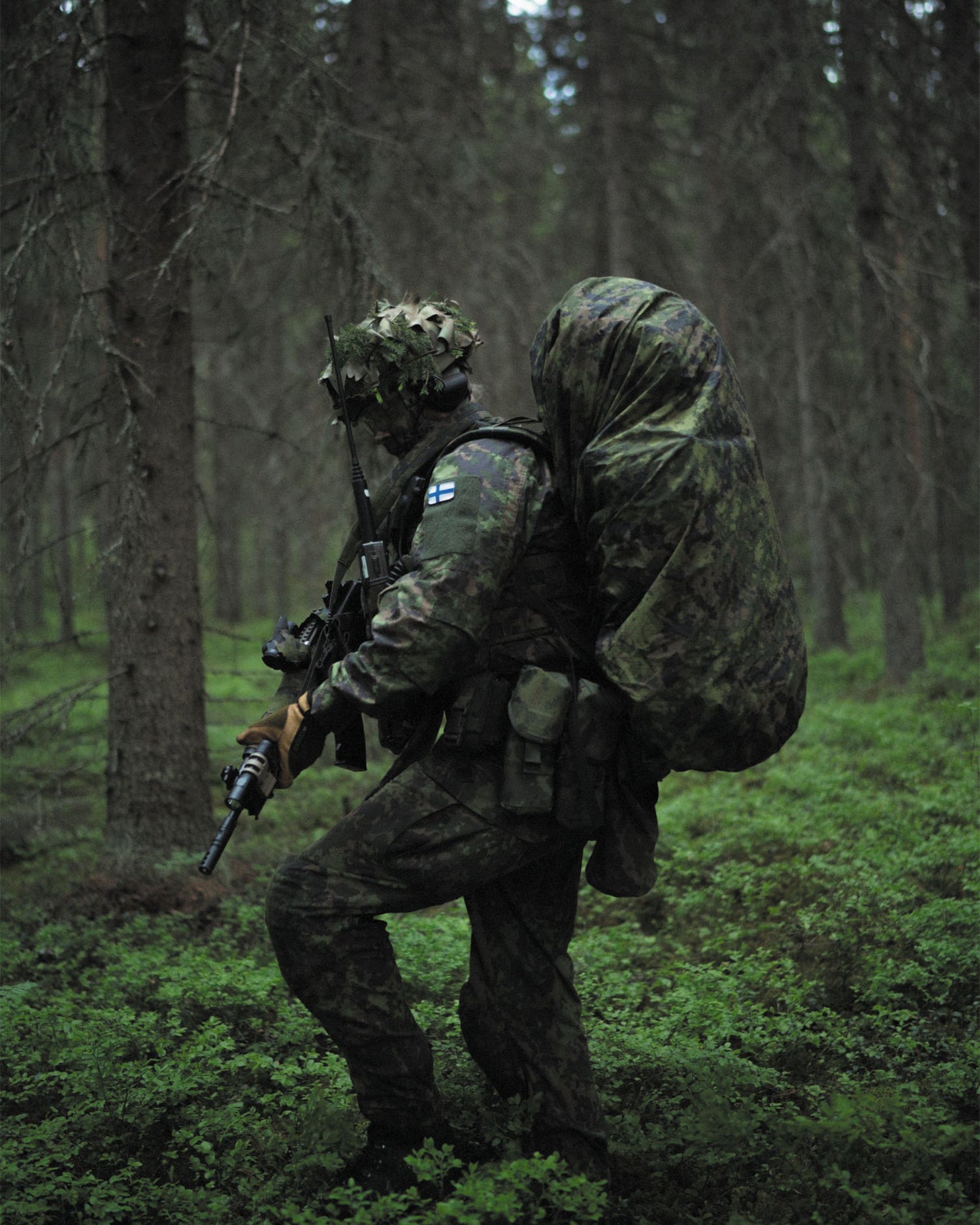
Every product development and manufacturing process is heavily guided by legislation governing procurement and tendering. The most significant joint projects between Savotta and the Defence Forces have been the 1985 M85 Combat Belt and the 2005 M05 Combat Vest. These mass production runs carried Savotta through both the 1990s recession and the 2007–2009 financial crisis.
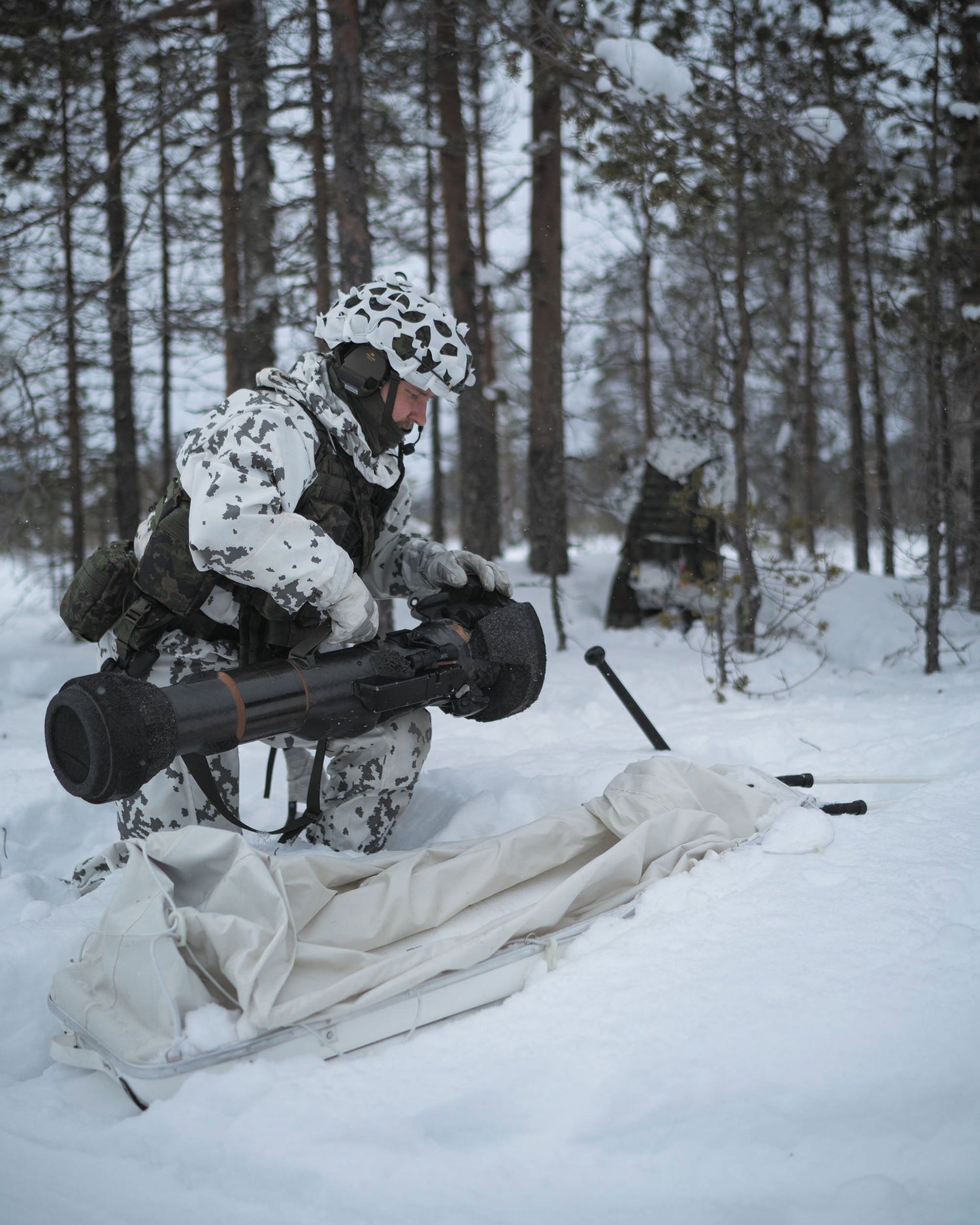
“When developing the M85 Combat Belt, we compared gear from five different armies. For two years, we made multiple prototypes for testing. After field trials, we made final refinements and compiled detailed documentation,” describes Uljas Valkeinen.
Typically, every single detail is documented down to the smallest fold and buckle. For example, a NATO-spec Velcro had to alternate polyester and polyamide hooks to optimize wet-grip and durability properties.
Savotta can also design and manufacture highly specialized gear to order. When the Soviet Union collapsed in 1991, parachute brake covers were no longer available from across the border, so Savotta made new ones for the Defence Forces’ MiG fighters in Karstula.
“A MiG’s landing speed at the runway threshold is about 340 km/h. Especially in slippery winter conditions, a 2.5-kilometre runway starts to feel short — so using a brake parachute is essential,” Lindberg explains.
From bread bags to patrol tents and from combat belts to instrument cases
Growth in the defence sector signals strong prospects for Savotta production
The Finnish Defence Forces have remained a conscript army, and the country still maintains a large reserve. This makes Finland’s defense capability and security situation unique. About 870,000 Finns belong to the reserve, and the Defence Forces’ wartime strength is 280,000 soldiers.
In many other European countries, the opposite has happened — conscription has been abolished and reserves dismantled. On the other hand, national defense budgets have been on the rise. “The key issue isn’t how much gear circulates in the training system at any given time it’s that we must be able to equip the entire wartime reserve. That’s why Savotta’s big volume products are so vital for Finland’s mobilization readiness,” Lindberg emphasizes.
“The M85 Combat Belts aren’t museum pieces — they’re stored, ready for use. If needed, they’ll equip the regional troops. The spearhead units get newer equipment and ballistic vests. Every soldier has more than just a cockade and a leather belt,” notes Uljas Valkeinen.
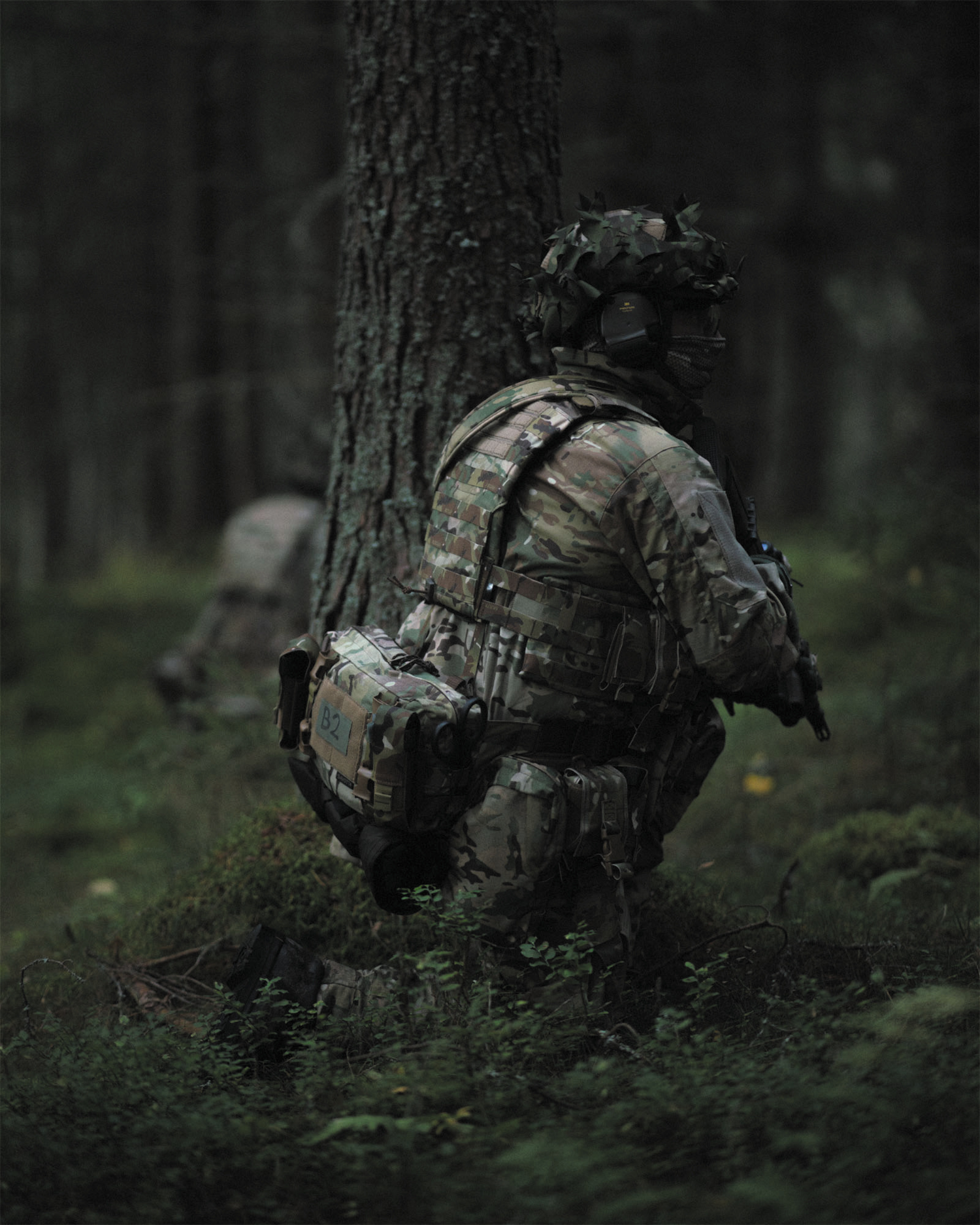
Although cheap labor and materials attract many companies to Asia, Savotta manufactures its products in the EU, and 97 percent of its materials come from within the EU. Automation and robotics make it possible to maintain quality, high capacity, and price competitiveness — all of which play a major role in Finland’s security of supply.
Given Finland’s proximity to Russia, the neighbor’s actions are taken seriously. Russia’s invasion of Ukraine has shown that it still fights a largely traditional war of attrition. For that reason, strengthening Finland’s ground forces is entirely justified. According to Lindberg, the Defence Forces and Savotta have built a solid foundation for Finland’s defense — one worth continuing in the future.
“The closer you get to Russia, the greater the need to boost wartime readiness. In the coming years, Savotta’s products will be in demand both in Finland and abroad. You don’t need a crystal ball to see that,” says Lindberg.
The Defence Forces have signed defense economy agreements with companies critical to national security. These agreements ensure that the companies maintain certain production readiness and personnel reserves — Savotta included.
“In a crisis, we’re prepared to halt consumer sales and focus entirely on Defence Forces’ production. Our product development supports new combat capabilities. Our gear provides soldiers with complete operational performance,” stresses Uljas Valkeinen.